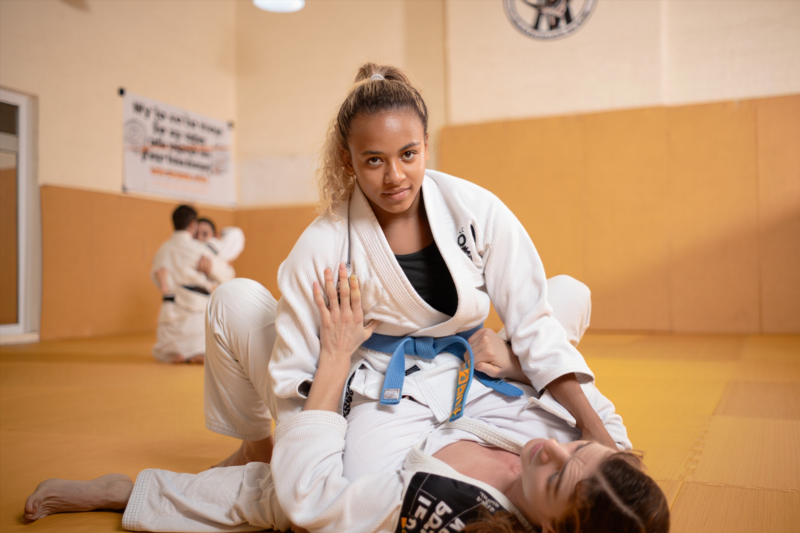
If you’re a casual martial arts enthusiast or just starting your journey into Brazilian Jiu-Jitsu (BJJ), understanding the core principles of positional hierarchy and common submission pitfalls is essential. This knowledge not only accelerates your learning curve but also keeps you safe on the mats while improving your grappling skills. In this guide, we’ll explore the fundamental positions every beginner should know, effective tactics to maintain control, and how to avoid costly submission mistakes—empowering you with confidence and competence in your BJJ practice.
Why Understanding Positional Hierarchy Matters
The Power of Control
In Brazilian Jiu-Jitsu, control is everything. Knowing the positional hierarchy helps you prioritize positions that offer the most control and options for submission or escape. The hierarchy generally looks like this:
| Rank | Position | Control Level | Explanation |
| 1 | Mount | High | Most dominant position, offering numerous submission opportunities. |
| 2 | Back Control | High | Often the most advantageous for submission setups without exposing yourself. |
| 3 | Side Control | Moderate to High | Control position with opportunities for transitions and submissions. |
| 4 | Closed Guard | Moderate | Control position for offensive attacks and sweeps. |
| 5 | Half Guard | Moderate | Versatile position for sweeps and submissions. |
| 6 | Standing | Variable | Defensive position, often used for takedowns or resets. |
The Goal of Positional Control
- Maintain advantage over your opponent.
- Limit their movement and offensive options.
- Set up submissions while avoiding reversals or escapes.
Mastering Key Positions
1. The Mount
- Description: Sitting atop your opponent’s chest with knees pinched to their torso.
- Why It’s Important: Offers high control and multiple submission options like chokeholds or armbars.
- Safe Tactics:
- Keep your weight on your opponent’s hips to prevent them from bridging or shrimping.
- Maintain posture; avoid leaning forward or losing base.
- Use your hips to shift and adjust for the most dominant angle.
2. Back Control
- Description: Sitting behind your opponent, ideally with hooks in (feet inserted inside their thighs).
- Why It’s Powerful: Often considered the most controlling position with high submission potential, especially chokes.
- Safe Tactics:
- Keep your chest close to prevent escapes.
- Maintain awareness of their hands to prevent grip escapes.
- Focus on positioning hooks securely before attempting submissions.
3. Side Control
- Description: Lying perpendicular across your opponent’s torso, controlling their upper body.
- Why It’s Useful: Offers opportunities for transitions, submissions, and maintaining top pressure.
- Safe Tactics:
- Keep your weight distributed to avoid giving space.
- Use shoulder pressure to control movement.
- Transition smoothly to mount or back control when possible.
Avoiding Common Submission Pitfalls
1. Overcommitting to Submissions
Beginners often get overly eager, leaving themselves vulnerable to reversals. Always:
- Secure positional control before applying submissions.
- Never sacrifice positional stability just to attempt a finish.
- Practice “set-up” sequences that ensure safety and control.
2. Neglecting Defense
- Maintain awareness of your opponent’s hands and hips.
- Keep your limbs protected to prevent traps like armbars or triangles.
- Use frames and defensive grips to ward off submissions.
3. Ignoring Escapes and Reversals
- Recognize when a submission attempt opens vulnerabilities.
- Have a plan for quick escapes if your opponent counters effectively.
- Prioritize positional advancement or safe resets over forcing submissions.
Tips for Casual Practitioners
- Start with the basics: Focus on mastering guard, mount, and back control.
- Think hierarchy: Always aim to improve your position before going for submissions.
- Relax and breathe: Tension leads to mistakes; staying calm enhances control and endurance.
- Practice safe techniques: Respect your training partners and prioritize safety to sustain long-term growth.
- Ask questions: Don’t hesitate to seek guidance from instructors or experienced practitioners.
Frequently Asked Questions
Q1: Do I need to be flexible or athletic to start BJJ?
A: No, Brazilian Jiu-Jitsu is accessible to all body types. Focus on technique, leverage, and understanding positions. Consistent practice enhances flexibility and strength over time.
Q2: How long before I can successfully roll with beginners?
A: With regular training, many beginners can start rolling (sparring) after a few weeks. Focus on controlled, technique-based rolling rather than intensity.
Q3: Can casual practitioners benefit from understanding submissions?
A: Absolutely. Knowing common submissions helps in both offense and defense, making your training safer and more effective.
Mastering the fundamental positions and avoiding submission pitfalls are vital steps for casual practitioners looking to improve their Brazilian Jiu-Jitsu skills. By emphasizing positional hierarchy, practicing safe tactics, and maintaining control, you’ll not only enhance your grappling ability but also enjoy your time on the mats with confidence. Remember, consistency and patience are key—keep practicing, stay safe, and watch your skills grow exponentially.
Ready to elevate your BJJ journey? Join a local class or online forum today, and start applying these core principles for safer, smarter, and more successful grappling.