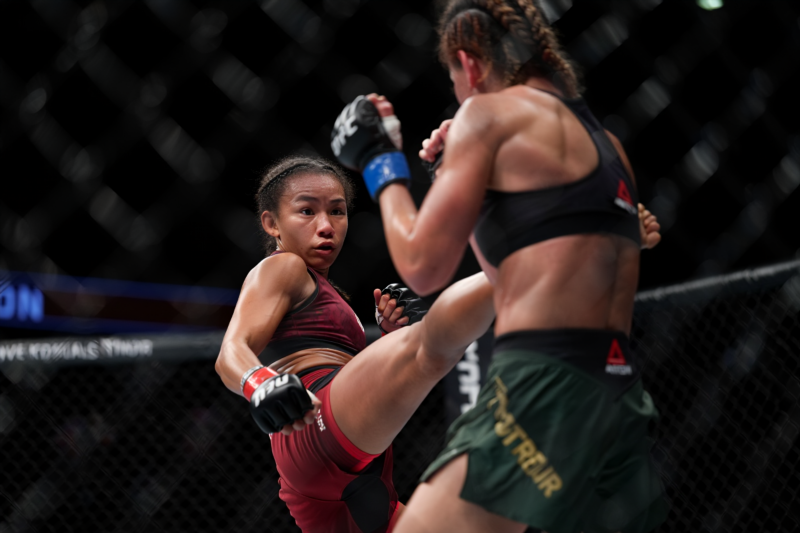
In the high-stakes world of mixed martial arts (MMA), victory often hinges on a fighter’s ability to adapt—not just at the start of a fight, but dynamically throughout each round. Elite fighters possess an exceptional Fight IQ: they read their opponents, recognize openings, and modify their tactics on the fly. This article explores how the best fighters execute strategic adjustments midfight and during individual rounds, ultimately outsmarting opponents and controlling the pace of the bout. By understanding these nuanced tactics, fans and bettors alike can appreciate what sets the top contenders apart and gain insights into how fighters build their dominance in the cage.
Understanding Fight IQ: The Foundation of Strategic Adaptation
Fight IQ—the mental acuity and tactical understanding that fighters apply during a bout—distinguishes champions from the rest. It involves:
- Recognizing patterns and tendencies
- Reading body language and timing
- Making rapid decisions based on in-fight developments
- Adjusting techniques to exploit vulnerabilities
Top fighters develop this skill through extensive training, film study, and real-fight experience. Their ability to switch strategies mid-round often proves critical in turning fights around or cementing their dominance.
How Elite Fighters Adapt During Rounds
1. Reading Opponent Patterns and Tendency Exploitation
Elite fighters excel at identifying their opponent’s habits early in a round. For example:
- Striking patterns: Noticing if an opponent favors a specific punch or combination.
- Defensive tics: Detecting predictable defensive movements, such as always lowering the lead hand after a jab.
- Weak spots: Identifying areas susceptible to attack, like a damaged shoulder or compromised stance.
Once patterns are recognized, fighters adjust their approach to exploit these tendencies, shifting from offense to precision counterattacks, or vice versa.
2. Timing and Distance Management
Adjusting distance and timing is essential:
- Closing the gap to land more effective striking or takedowns.
- Maintaining or increasing distance to avoid damage and reset the pace.
- For example, if an opponent starts to counter better in close, a fighter might opt to reset and strike from longer ranges.
This nuanced control allows fighters to keep opponents guessing and opens opportunities for clean hits, takedowns, or positional advances.
3. Technical Strategy Changes: Striking, Grappling, or Clinching
Sometimes, fighters switch tactics within the same round:
- Switching striking styles: Moving from boxing-based punches to Thai clinch for knees.
- Transitioning to grappling: When on the defensive, shifting to takedowns to neutralize striking exchanges.
- Changing stance or guard: To produce different angles and avoid predictable defenses.
Strategic flexibility in techniques often confuses opponents, making unpredictable actions the fighter’s greatest weapon.
Round Analysis: Key Examples of Tactical Adjustments
| Fighter | Scenario | Adjustment | Outcome |
| Valentina Shevchenko | Opponent aggressively counters her forward pressure | Switches to more lateral movement, counters with precise leg kicks | Gains control, shifts the fight to her favor |
| Israel Adesanya | Opponent closes distance aggressively | Uses range management, feints, and switch stances | Keeps opponents at bay, lands counter shots |
Real Fight Examples
- Khabib Nurmagomedov vs. Conor McGregor (2018): Khabib adapted by maintaining relentless grappling, neutralizing McGregor’s striking. In subsequent rounds, he adjusted his pressure, forcing mistakes.
- Amanda Nunes vs. Julianna Peña (2022): Nunes initially struggled but adapted by mixing striking and grappling, creating openings that led to her comeback victory.
Keys to Developing Fight IQ and Strategic Flexibility
Training with Dynamic Drills
Elite fighters incorporate scenario-based training—simulating various fight situations to prepare them for in-fight adjustments.
Studying Opponent Film
Pre-fight analysis allows fighters to anticipate adjustments opponents may make and develop counter-strategies.
Experience and Intuitive Decision-Making
Experience breeds instinct; seasoned fighters often recognize opportunities naturally, enabling timely tactical shifts.
Why Adjustments Matter for Fans and Bettors
Understanding how fighters adapt can influence betting decisions. Recognizing which fighters are capable of key in-round adjustments adds a layer of analysis for MMA enthusiasts, providing deeper insights into fight outcomes and potential round winners.
Elite fighters don’t rely solely on raw power or technique—they excel at “reading” their opponents and adjusting tactics in real time. Whether it’s switching stance, altering striking tactics, or changing from striking to grappling, these rapid, effective adjustments often determine who dominates the round and ultimately wins the fight. Enhancing Fight IQ through strategic flexibility is what elevates fighters from good to great—and it’s a fascinating aspect that separates the champions from the contenders.
Elevate your MMA analysis and betting strategy by appreciating the dynamic chess match that unfolds within each round. Recognize the fighters who adapt in real-time, and you’ll gain a deeper understanding of MMA’s strategic complexity—and perhaps, your next big win.
*Ready to dive deeper? Stay tuned for more expert breakdowns on fighter styles, rankings, and key matchups in the MMA world with TrueCage Canada, your ultimate portal for UFC and beyond insights.*