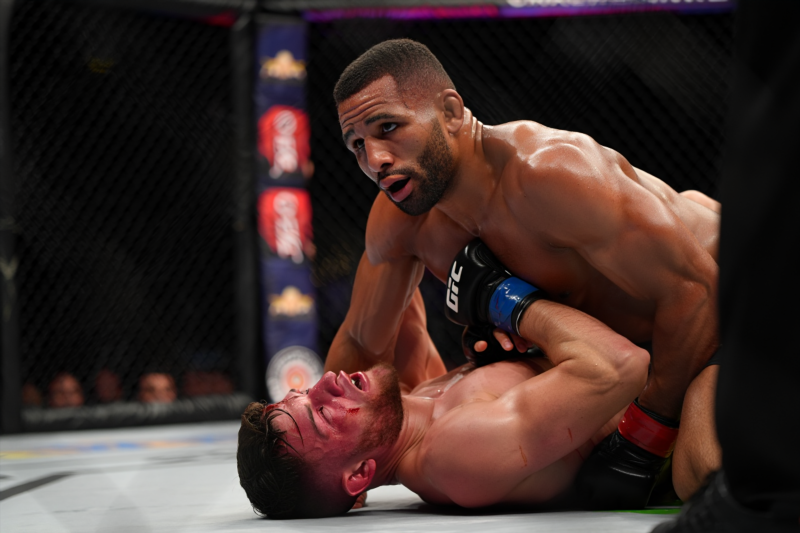
Understanding how judges evaluate grappling control versus damage is crucial for MMA enthusiasts, fighters, and bettors alike. This knowledge not only clarifies scoring criteria but also enhances strategic decision-making inside the octagon. At TrueCage Canada, we aim to shed light on the nuanced distinctions that officials consider when scoring grappling exchanges, helping you grasp the art and science behind judging MMA bouts.
The Core Difference: Control Versus Damage in Grappling
In MMA, grappling encompasses a broad spectrum of techniques—from clinches and takedowns to ground control and submission attempts. The two critical aspects judges assess are:
- Control: The ability of a fighter to dominate or maintain position over an opponent.
- Damage: The effective infliction of strikes, submission threats, or destructive moves that visibly impact the opponent.
While both factors influence scoring, their relative importance varies depending on the context.
The Importance of Control in Grappling
Control refers to the fighter’s ability to:
- Maintain dominant positions (e.g., mount, back control, side control)
- Limit the opponent’s movement and escape options
- Establish a strategic advantage for transitions or submissions
Why judges value control: Maintaining effective control indicates strategic dominance, tire depletion for the opponent, and a platform for launching attacks or submissions.
The Significance of Damage in Grappling Exchanges
Damage involves the application of effective strikes, submission threats, or positional dominance that causes visible injury or discomfort. It can include:
- Hard strikes from top or ground-and-pound
- Submission attempts that threaten or cause harm
- Positions that inherently inflict discomfort or injury (e.g., cranks, chokes)
Why damage matters: Judges reward fighters who not only control but also actively harm their opponents, as this indicates effective aggression and fighting spirit.
How Judges Make Scoring Decisions: Control vs. Damage
Judges evaluate each round by balancing control and damage, often referring to established rules and scoring criteria outlined by organizations like the Unified Rules of MMA.
Key Judging Criteria
- Effective Striking/Grappling: Combining control with damage creates the most favorable impression.
- Control Time: Prolonged dominance in advantageous positions.
- Aggressiveness: Initiating grappling exchanges and progressing to impactful positions.
- Defense: Avoiding significant damage while maintaining control.
When Control Overshadow Damage
In some cases, judges favor control over damage:
- When a fighter maintains dominant positions with minimal strikes but demonstrates strategic control.
- During periods where the opponent is neutralized but not visibly harmed.
- When damage is negligible but control is sustained effectively, especially if the control limits the opponent’s offense.
When Damage Can Trump Control
Conversely, judges may prioritize damage:
- If a fighter unambiguously inflicts significant strikes or submission threats.
- When control is passive or merely positional without offensive application.
- If a near-finish move threatens the opponent’s well-being.
When Judges Might Overlook Control or Damage
Judging isn’t always straightforward, and in some scenarios, officials may weigh factors unevenly:
- Passive Control: Maintaining a dominant position without offensive actions may be scored lower.
- Clean and Effective Damage: Accumulating impactful strikes, even from less dominant positions, can sway scores.
- Clinch and Ground Work: Judges might favor activity and damage over mere clinch control.
Practical Tips: Improving Your Strategy
Understanding these nuances can help fighters and bettors optimize their approach:
- For Fighters: Balance control with active offense; avoid passive positions that don’t threaten or harm.
- For Bettors: Watch for signs of active damage or control dominance that judges are likely to score highly.
- For Enthusiasts: Recognize that control isn’t always equal to points—damage often carries more weight in decision-making.
Discerning how judges differentiate between grappling control and damage enhances your comprehension of MMA scoring. Clear awareness of these criteria allows fighters to tailor their strategies and enables fans and bettors to make more informed predictions. Remember, effective MMA is a blend of dominant positioning and impactful offense—judges look for the perfect balance, and understanding this can elevate your appreciation of the sport.
Questions? Q: Can a fighter win a round through control alone? A: Yes, if the control is sustained, strategic, and demonstrates dominance, even without significant damage, judges can score the round in their favor.
Q: Is damage always more valuable than control? A: Not necessarily; context matters. While damage often weighs heavily, sustained control can be decisive, especially if it limits the opponent’s offense.
Q: How does this knowledge influence betting decisions? A: Recognizing the importance of damage versus control can help predict scoring outcomes based on fighters’ styles and bout tendencies.
By mastering these insights into how judges perceive grappling scenes, you’ll be better equipped to anticipate scoring patterns, strategize effectively, and deepen your engagement with MMA events.