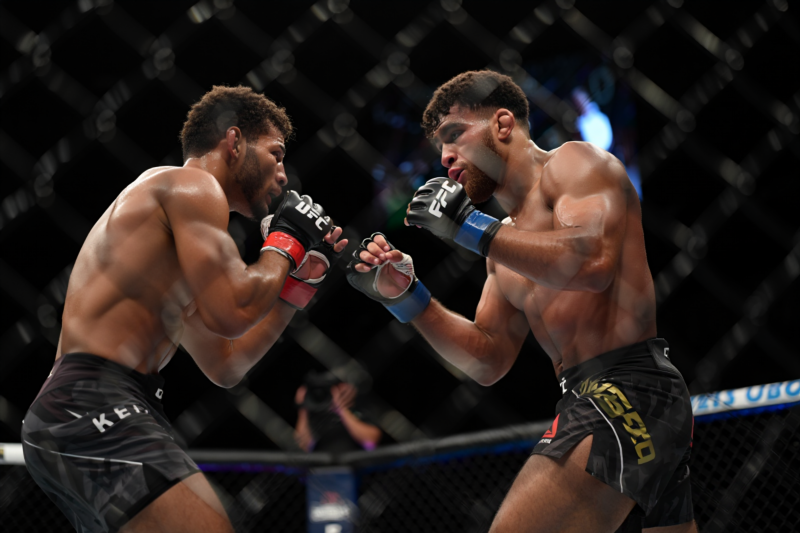
Distance Control and Footwork Cues Improve Fight Dominance
Unlocking the Power of Distance Management in MMA
In mixed martial arts, mastering the art of distance control is often the difference between victory and defeat. Whether you’re a fighter aiming to dominate inside the cage or a coach looking to craft the perfect game plan, understanding *distance management, stance, and footwork cues* is essential. Effective use of these techniques not only predicts your opponent’s moves but also enhances your ability to control the fight’s tempo, dictating the pace and outcome.
Why Distance Control Matters in MMA
Distance management refers to a fighter’s ability to maintain optimal range to execute their strikes, defend against attacks, and set up combinations. When done correctly, it:
- Predicts opponent’s next moves: Recognizing cues allows for pre-emptive counterattacks.
- Creates timing and rhythm: Control over distance disrupts your opponent’s rhythm.
- Prevents takedowns: Proper distance keeps opponents at bay, reducing grappling threats.
- Enhances strike precision: Maintaining ideal range maximizes your striking accuracy and power.
Professional fighters who excel in distance control often set the tempo of the fight, making it difficult for opponents to land effective strikes or initiate takedowns.
Key Techniques for Effective Distance Management
1. Proper Stance and Foot Placement
Your stance shapes all your movement and engagement strategies. A balanced, adaptable stance allows quick adjustments to maintain control.
- Orthodox vs. Southpaw: Adjust based on your fighting style.
- Balance on balls of feet: Enables rapid movement in any direction.
2. Footwork Cues and Movement Patterns
Footwork is the foundation of distance management. Effective cues include:
| Technique | Purpose | Cues to Watch for | How to Implement |
| Lateral movement | Flank the opponent, create angles | Slight shifts in weight, quick steps | Use for circling and avoiding strikes |
| Pivots | Change angles, reset distance | Pivot on lead foot, smooth rotation | Land strikes from unexpected angles |
| Distance closing | Move in to land powerful strikes | Forward steps, quick jabs | Use when planning to attack or finish |
| Distance maintaining | Keep opponent at ideal range | Steady stance, measured step-backs | Prevents opponent from closing in |
3. Stance and Range Adjustment Cues
Cues derived from stance and positioning can predict your opponent’s intentions:
- Watch for stance shifts: An opponent stepping forward signals an attack or takedown attempt.
- Head positioning: Leaning forward or backward indicates offensive or defensive intent.
- Hand and arm positioning: Extended arms can signal striking range or setup.
Practical Tips to Predict and Control Fight Dynamics
- Use feints and baiting: By mimicking attack cues, you can provoke predictable responses.
- Stay light on your feet: Agile footwork enables rapid distance adjustments.
- Maintain a flexible stance: Adapt your stance based on fight flow, constantly adjusting your range.
- Observe opponent’s habitual patterns: Experienced fighters develop tendencies—spot them to anticipate their moves.
Developing Your Fight Control Strategy
To truly master distance and footwork cues, incorporate specific drills:
- Shadowboxing with cues: Practice visualizing and reacting to opponent cues.
- Footwork drills: Ladder drills, cone shuffles enhance agility.
- Partner drills: Simulate fight scenarios, focusing on cue recognition and response.
- Video analysis: Study fight footage to identify and learn from top fighters’ footwork patterns.
Enhancing your distance control and footwork cues leads to superior fight strategy, empowering you to predict opponent moves and secure control inside the ring. Consistent practice, keen observation, and understanding key technical cues are essential to elevate your MMA game.
Ready to take your fight skills to the next level? Start implementing these distance management techniques today and experience the difference in your fight control and dominance.
Questions?
Q: How can I improve my footwork quickly? A: Focus on agility drills like ladder exercises and shadowboxing with emphasis on quick, precise steps. Consistent practice develops muscle memory and reaction time.
Q: What are signs my opponent is about to close the distance? A: Look for stance shifts, increased hand movement, or stepping forward—these cues often indicate aggressive intent or preparation for a takedown.
Q: How does effective distance control affect my opponent’s strategy? A: It limits their offensive options, forces them to engage on your terms, and increases your opportunities to land strikes or execute takedowns.
Embrace these core principles of distance control and footwork cues, and watch as your fight dominance and strategic control grow exponentially. Your journey to MMA mastery begins now—apply these tips today!